
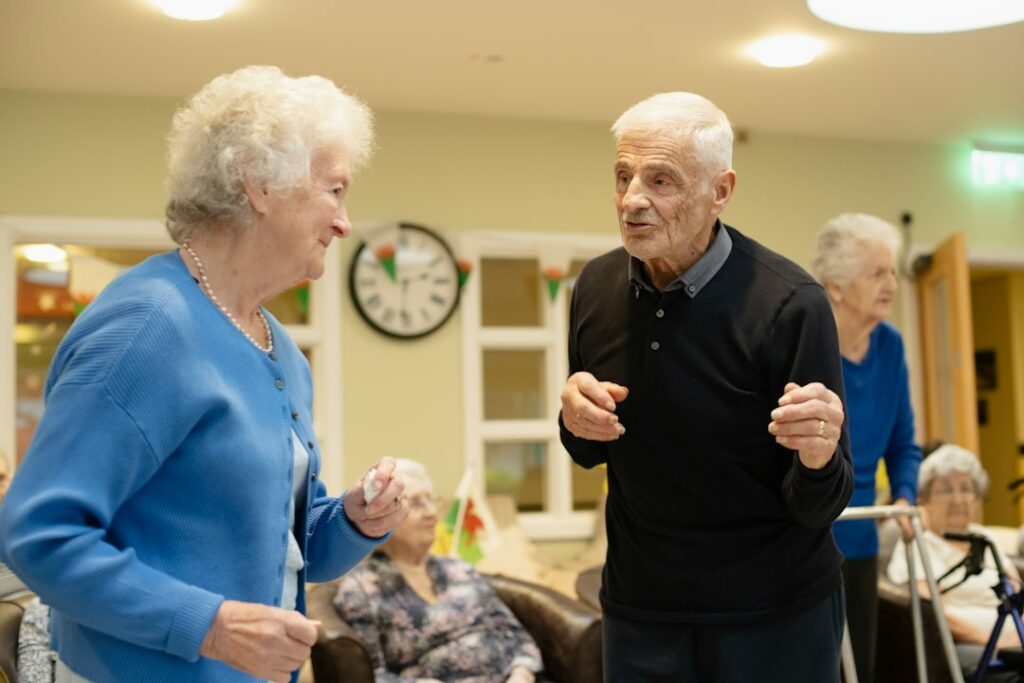
What does healthy aging mean in assisted living?
Healthy aging is not about avoiding every health problem or maintaining the same abilities forever. It means supporting strength, independence, safety, emotional well-being, and meaningful daily routines as needs change.
Assisted living can provide structure, but residents still play an active role in maintaining their health. Simple choices—such as joining an exercise activity, drinking enough fluids, speaking up about symptoms, and staying connected with others—can support quality of life.
Healthy aging also looks different for each person. A resident recovering from surgery may have different goals from someone managing arthritis, diabetes, memory changes, or heart disease. Personal goals should guide daily routines rather than comparisons with other residents.
How much physical activity should assisted living residents get?
Most residents benefit from some movement each day, even if activity must be adapted for pain, balance problems, or limited mobility. Walking, seated exercises, stretching, light strength training, and balance activities can all be useful.
A practical routine may include:
- Short walks in hallways or other safe indoor areas
- Seated leg lifts, arm movements, or gentle stretching
- Light resistance exercises approved for the resident’s abilities
- Balance practice while holding a stable surface
- Recreational activities that involve movement, such as dancing or gardening
Exercise should begin at a comfortable level and increase gradually. Pain, dizziness, chest discomfort, unusual shortness of breath, or sudden weakness are reasons to stop and report the symptoms promptly.
Movement is especially valuable during colder months, when icy sidewalks or snow may make outdoor walking unsafe in Horsham. Indoor activity can help residents remain active without taking unnecessary risks. During warm, humid weather, outdoor activity may be more comfortable in the morning or evening, with access to shade and fluids.
What foods support healthy aging?
A balanced diet helps support muscle, bone health, energy, immune function, and regular bowel habits. Residents do not need a perfect diet. Consistency and adequate nutrition matter more than strict rules.
Meals should generally include a variety of:
- Vegetables and fruits
- Whole grains or other high-fiber foods
- Lean proteins such as eggs, fish, poultry, beans, or yogurt
- Healthy fats in moderate amounts
- Water and other suitable beverages
Older adults may have less appetite or notice changes in taste and smell. Smaller meals, nutritious snacks, and attractive presentation can make eating easier. Soft foods or altered textures may be helpful for residents with chewing or swallowing difficulties, but these changes should match an individual care plan.
Unplanned weight loss, repeated refusal of meals, persistent nausea, difficulty swallowing, or a noticeable drop in appetite should be reported. These changes can sometimes signal dental problems, medication effects, depression, infection, or another health concern.
How can residents prevent falls?
Fall prevention depends on both the environment and the resident’s health. Good lighting, clear walking paths, properly fitted footwear, and accessible mobility aids can reduce risk. Residents should use handrails and assistive devices as directed rather than trying to walk without support to appear more independent.
Other helpful habits include:
- Rising slowly from a bed or chair
- Keeping frequently used items within easy reach
- Wearing shoes or slippers with secure, nonslip soles
- Using prescribed glasses and hearing devices
- Reporting loose flooring, poor lighting, wet areas, or clutter
- Asking for assistance when tired, unwell, or unsteady
Medication reviews are also part of fall prevention. Some prescription drugs, over-the-counter medicines, and combinations of medicines may cause drowsiness, dizziness, or low blood pressure. Residents should not stop a medicine independently, but they can ask whether their current medications may affect balance or alertness.
Winter conditions deserve extra attention. Ice near entrances, wet floors from tracked-in snow, and bulky clothing can make walking more difficult. Residents should allow extra time, use available support, and avoid rushing.

Why are sleep and daily routines important?
Regular sleep supports mood, attention, memory, and physical recovery. A consistent schedule can be helpful, especially for residents who experience confusion or restlessness later in the day.
Helpful sleep habits include keeping a similar bedtime and wake-up time, limiting long daytime naps, getting daylight exposure earlier in the day, and staying physically active at appropriate times. Caffeine late in the day and heavy meals close to bedtime may interfere with sleep.
Pain, frequent nighttime urination, breathing problems, anxiety, depression, medication effects, and an uncomfortable room can all disturb sleep. Ongoing insomnia or a major change in sleep should be discussed rather than treated only with over-the-counter sleep products.
How can residents protect emotional and cognitive health?
Social connection is a health habit, not merely a leisure activity. Conversations, group programs, shared meals, games, music, religious practices, creative activities, and contact with family can provide structure and reduce isolation.
Residents who prefer quieter settings can still benefit from meaningful connection. One-to-one visits, letter writing, reading groups, caring for plants, or helping with a small community task may feel more comfortable than large gatherings.
Mental stimulation does not need to involve difficult puzzles. Learning a song, discussing current events, organizing photographs, practicing a familiar skill, or telling stories can exercise attention and memory while reinforcing personal identity.
Persistent sadness, loss of interest, unusual irritability, withdrawal, appetite changes, hopelessness, or confusion should be taken seriously. Depression and medical problems can sometimes resemble memory decline. A sudden change in thinking, alertness, speech, or behavior requires prompt attention.
What health appointments and screenings should residents keep up with?
Routine health care helps identify problems before they interfere with independence. Residents should keep track of recommended appointments, vaccinations, vision checks, hearing evaluations, dental care, blood pressure monitoring, and other screenings suited to their medical history.
A current medication list should include prescriptions, nonprescription medicines, vitamins, and supplements. Residents and family members should know which medicines are taken regularly and which are used only as needed.
It is also useful to report changes early, including:
- New swelling, pain, weakness, or shortness of breath
- Repeated falls or near-falls
- Changes in appetite, weight, or swallowing
- New confusion or unusual sleepiness
- Skin changes, wounds, or persistent itching
- Trouble hearing, seeing, walking, or using the bathroom
Early reporting does not mean every symptom is serious. It gives the care team a better chance to respond before a minor concern becomes a larger setback.
How can family members support healthy aging?
Family support works best when it encourages independence without taking over. Visitors can join a walk, share a meal, bring familiar photographs, help organize questions for a medical visit, or notice changes in mood and function.
Residents should be included in decisions about routines, activities, clothing, meals, and personal goals whenever possible. A person may need assistance with a task while still being fully capable of choosing how and when it is done.
A useful goal might be walking to meals more safely, participating in one weekly activity, improving hydration, sleeping more consistently, or reconnecting with a valued hobby. Specific goals are easier to monitor and adjust than broad promises to “stay healthy.”
