
What Health Support Is Typically Provided in Assisted Living?
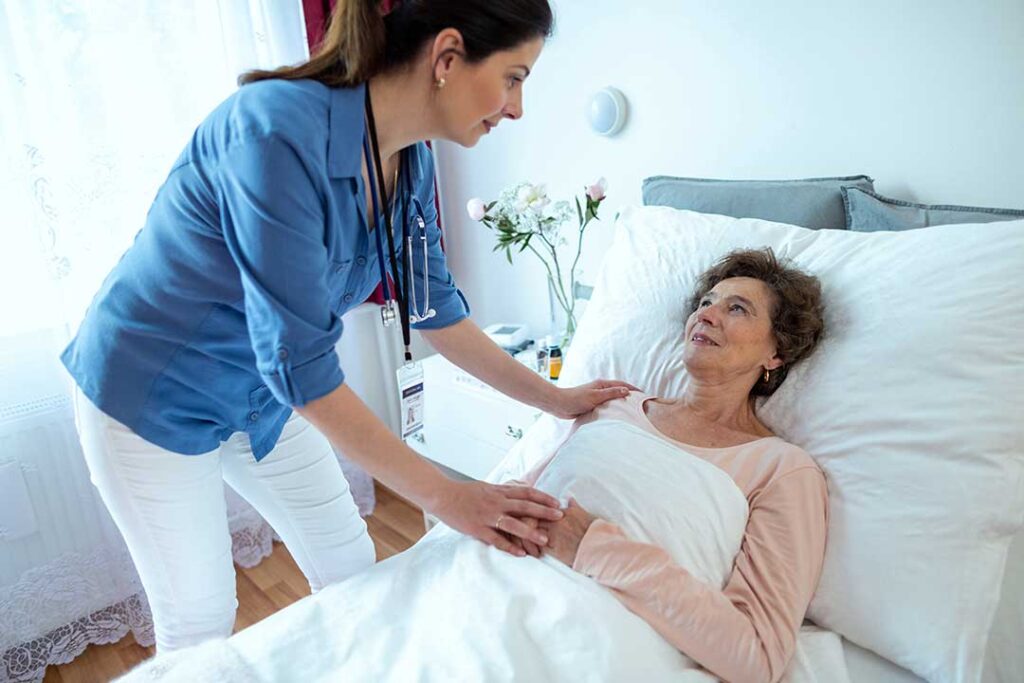
Assisted living communities in Horsham, PA offer a balance between independence and health oversight. Residents commonly receive support tailored to help them manage daily routines safely while maintaining as much self-sufficiency as possible. The health services provided usually focus on ongoing wellness, medical monitoring, and addressing everyday health concerns, rather than offering the acute medical care of a hospital or the skilled nursing found in nursing homes.
Who Delivers Health Services in Assisted Living?
Care in these settings is provided by a team that may include certified nursing assistants, medication technicians, and licensed nurses. While a resident’s personal physician remains central for medical decisions, on-site staff handle routine health monitoring and coordinate with outside health professionals when needed. This cooperative approach ensures that residents living in the area have seamless access to both routine and urgent care without leaving their community unnecessarily.
Which Medical Needs Are Commonly Managed?
Assisted living staff are prepared to address a range of common health requirements for older adults:
- Medication management: This includes reminders, administration, and coordination with doctors and pharmacies to ensure residents take prescribed medications as directed.
- Chronic condition monitoring: Residents with diabetes, hypertension, or arthritis often need help tracking vital signs or symptoms, which staff provide through regular checks and communication with healthcare providers.
- Help with activities of daily living (ADLs): Bathing, dressing, mobility support, and eating are commonly assisted tasks, tailored to each person’s needs.
- Basic first aid and emergency response: Staff are trained in recognizing signs of health emergencies. They assist with falls, sudden illness, or changes in condition, and arrange transport to hospitals if necessary.
- Coordination for doctor and therapy visits: Many residents continue with outside specialists. Staff can help arrange appointments, transportation, and follow post-visit instructions.
Are On-Site Medical Services Available?
Some communities in Horsham offer on-site access to visiting healthcare professionals, depending on resident demand and local partnerships. These services may include:
- Primary care visits
- Physical, occupational, or speech therapy sessions
- Podiatry and dermatology clinics
It’s important to understand that the availability of these services varies. Residents usually have the option to continue with their existing healthcare providers or use affiliated professionals who visit the residence. This flexibility benefits those wanting continuity with longtime doctors or specialized care.
Do Assisted Living Communities Handle Serious Illness or Memory Care?
Assisted living is generally not designed for people needing continual nursing care or advanced medical interventions. However, many communities now offer dedicated memory care wings or tailored support for residents with early dementia or Alzheimer’s. These areas provide extra safety, structured daily routines, and cognitive support, though permanent, complex medical care is not typically available outside specialized settings.
In cases of progressive illness or when needs outgrow what assisted living can provide, staff coordinate with outside agencies like home health or hospice to deliver supplemental nursing or palliative care. This can keep residents comfortable in familiar surroundings during advanced illness, when appropriate.
What Are Some Common Misconceptions About Assisted Living Health Care?
A frequent misunderstanding is that all personal or skilled nursing care is included. While routine health support is robust, tasks like IV therapy, wound management, or regular injections usually require visiting nurses or outside providers.
Residents are encouraged to clarify at move-in which health situations are handled on-site, which require family involvement, and where outside arrangements are needed. This transparent approach helps local families avoid surprises, especially during seasonal illnesses or post-hospitalization recoveries.
How Are Emergencies and Hospitalizations Handled?
Staff are trained to recognize and respond to urgent situations around the clock. Emergency protocols typically include:
- Providing first response while awaiting ambulance services
- Notifying primary contacts and physicians
- Collecting essential medical information for hospital staff

After a hospital stay, many care teams help coordinate a safe return, working with discharge planners and arranging for short-term rehabilitation at the residence if appropriate.
What Role Can Family Play in Health Management?
Family involvement remains central to resident wellness. Families often:
- Attend care planning meetings, either in person or virtually
- Share observations about changes in mood, memory, or function
- Provide updates on outside medical changes or new prescriptions
- Encourage healthy habits and social engagement
Collaboration between staff, residents, and relatives makes service personalization easier, allowing for prompt response when health changes occur.
What Should Residents in Assisted Living Ask About Health Services?
When considering an assisted living community, local residents and their families might find these questions helpful:
- How are medication errors prevented and reported?
- Can residents choose their own pharmacy or healthcare providers?
- What ongoing staff training is provided for health emergencies or chronic conditions?
- Are flu shots and routine vaccinations administered on-site?
- How are after-hours health concerns managed?
Practical answers to these questions can help area households select a community that aligns with their values and health needs while reducing the risk of misunderstandings later.
