
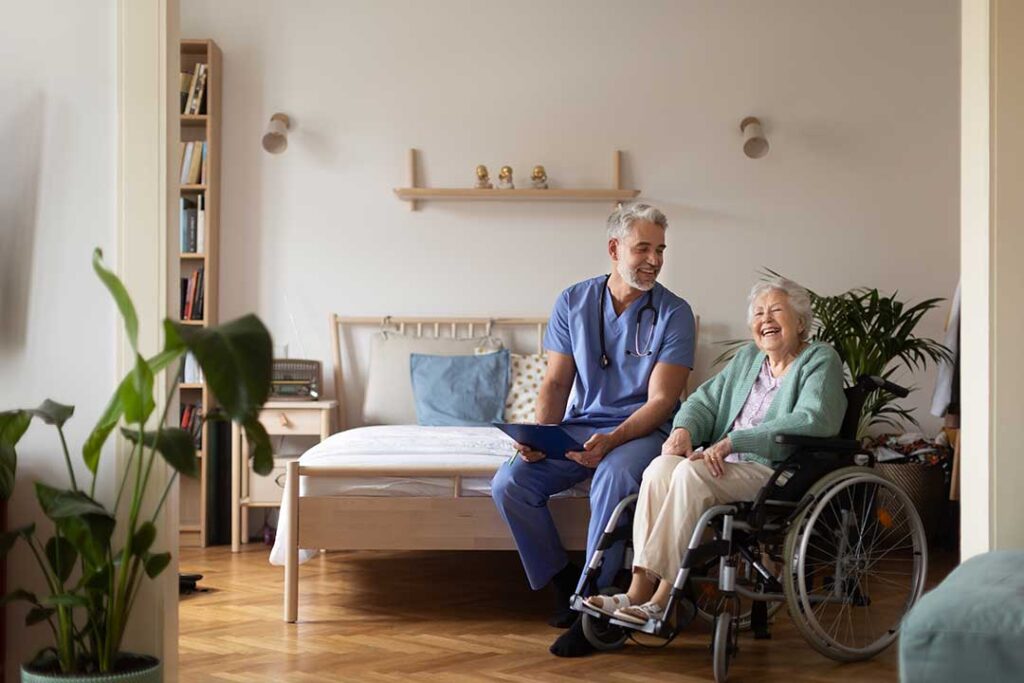
How Does Assisted Living Help Residents Maintain Activity?
Assisted living communities are designed to support residents in living as independently and actively as possible. In Horsham, PA, this means providing opportunities and creating an environment that makes movement and engagement part of daily life. These communities recognize that regular activity helps promote physical health, emotional wellbeing, and social connection—a core goal in designing local spaces and routines for seniors.
Residents are encouraged to participate in activities that fit their lifestyles, interests, and abilities. This support goes beyond scheduled classes to include practical changes in housing design, tailored wellness plans, and easy access to amenities that reduce barriers to movement, indoors and outdoors.
What Daily Opportunities Promote Active Living?
A well-rounded approach is offered, with scheduled and self-directed opportunities that promote gentle movement, creative engagement, and social activity. For example, daily walking groups, stretching sessions, and gardening clubs are common, sized to typical community grounds and local weather. Physical activity doesn’t need to be strenuous—flexibility and strength can be maintained through low-impact options.
In Horsham, mild seasonal changes mean indoor exercise spaces are frequently used during colder months, while safe outdoor paths and gardens become popular when the weather is warmer. Residents might have the chance to participate in:
- Guided chair yoga, tai chi, or stretching classes in communal spaces
- Walking clubs that take advantage of landscaped pathways or nearby parks
- Light fitness sessions with adaptive equipment suitable for different mobility levels
- Art, music, or craft groups that involve gentle movement and hand coordination
How Do Assisted Living Communities Foster Social Engagement?
An active lifestyle isn’t just about physical fitness. Meaningful social interaction also plays a key role. Local communities often have a clear focus on group activities that help residents maintain friendships and reduce loneliness. Residents can usually look forward to:
- Group games, discussion circles, or trivia nights
- Shared meals in communal dining spaces—these naturally encourage walking, moving, and mingling
- Seasonal events or celebrations tailored to local holidays and traditions
- Volunteer opportunities within the community, such as assisting with event planning or welcoming new residents
These activities are scheduled to match residents’ interests, and care is taken to make them accessible for all physical abilities.
What Role Does the Built Environment Play?
Housing features and site design are often adapted to promote safe, everyday movement. In communities throughout Horsham, this typically means:
- Single-level layouts and wide hallways for easy navigation
- Handrails and non-slip flooring in all walkways and bathrooms
- Comfortable common seating areas to encourage gathering and movement between spaces
- Outdoor areas designed for regular use—such as garden seating, patios, and accessible walking paths

These changes don’t just help prevent falls; they also invite residents to move about more frequently rather than staying isolated in their rooms.
Are Individual Needs and Abilities Considered?
Staff in assisted living communities work with residents (and sometimes their families or healthcare providers) to set personal wellness goals. Activities are tailored to a wide range of physical, cognitive, and emotional needs.
For instance, residents who use mobility devices are included in group walks or exercise classes with adaptations for their situations. Those recovering from illness or injury might participate in gentle one-on-one sessions. Local teams strive to adjust offerings so that all community members can participate safely and confidently, regardless of previous experience or interest in group activities.
Do Residents Have Enough Freedom in Choosing Activities?
Participation is usually voluntary, and most communities practice a resident-led approach—meaning activities are developed and adjusted based on what interests residents voice, whether that’s birdwatching in landscaped areas or learning a new craft indoors. This honors both privacy and independence.
Flexibility is important, especially for seniors who have routines established from years of living in single-family homes in the area. No one is pressured to join group events; solo hobbies like reading, personal gardening, or puzzles are well supported too.
Is Active Living Safe and Accessible Year-Round?
Local assisted living environments are prepared for a variety of seasonal and weather conditions seen in this part of the state. Indoor activities increase during winter or rainy spells, with staff ensuring pathways remain clear of ice and trip hazards. Outdoor spaces are maintained for easy use in spring, summer, and fall, with shaded spots and seating along walking routes.
Community safety plans often include regular checks of fitness equipment, adaptive aids, and emergency call systems to support residents who want to remain active independently.
Common Misconceptions About Activity in Assisted Living
One common misconception is that moving into assisted living means residents will lose their ability to be active or to make choices about their routines. In reality, these communities in Horsham are specifically built to promote independence and active aging, backed by thoughtful design, flexible programming, and respect for residents’ individual backgrounds and habits.
Likewise, some may assume only physical exercise counts as “activity,” but local residents benefit from a broad definition that includes mental, creative, and social engagement—underlining the diverse ways seniors can stay vibrant and involved each day.
